
Skip to content
WAYNHOLL
FR / EN Start a project
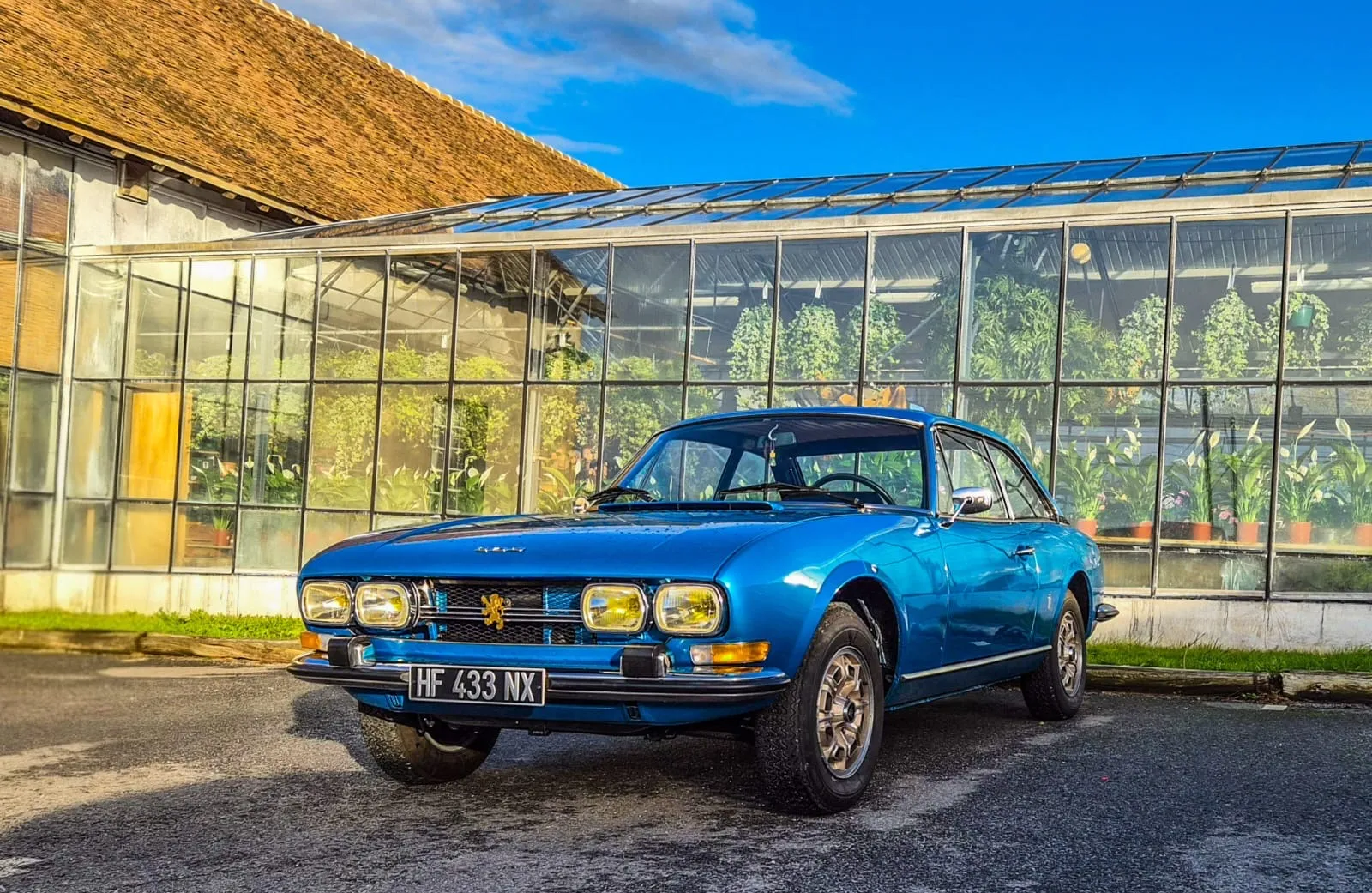
Peugeot 504 Coupé in front of a greenhouse

Projects

Engines. Stories. Projects.

Particular attention to detail, to meet the specific needs of each project — whether it comes from a private owner or a professional. Three of them, told the way we work: what arrived, what had to be decided, and what came of it.

Private owners & professionals Every dimension recorded and handed over

Project 01

Peugeot 504 Coupé XN2 — engine rebuild and preparation
VehiclePeugeot 504 Coupé
Engine2.0 L XN2 injection
UseRoad, long journeys
ScopeTop and bottom end
Blue Peugeot 504 Coupé in front of a greenhouse The car back on the road after the rebuild

On arrival

The engine arrived seized, a valve stuck in its guide after years standing still. An engine that has sat for a long time does not wear, it corrodes: moisture works into the guides, the valve faces and the bores, wherever the oil film has gone. That condition cannot be judged from the outside — it had to be opened and measured before anything could be promised.

The brief

The owner wanted to use the car for long journeys — which set the level of intervention. An engine expected to hold sustained revs for hours is not treated like one used for Sunday outings: the thermal load is continuous, and any dimension left at its limit will make itself known on a motorway. Freeing it off and getting it running would not have lasted.

Work carried out

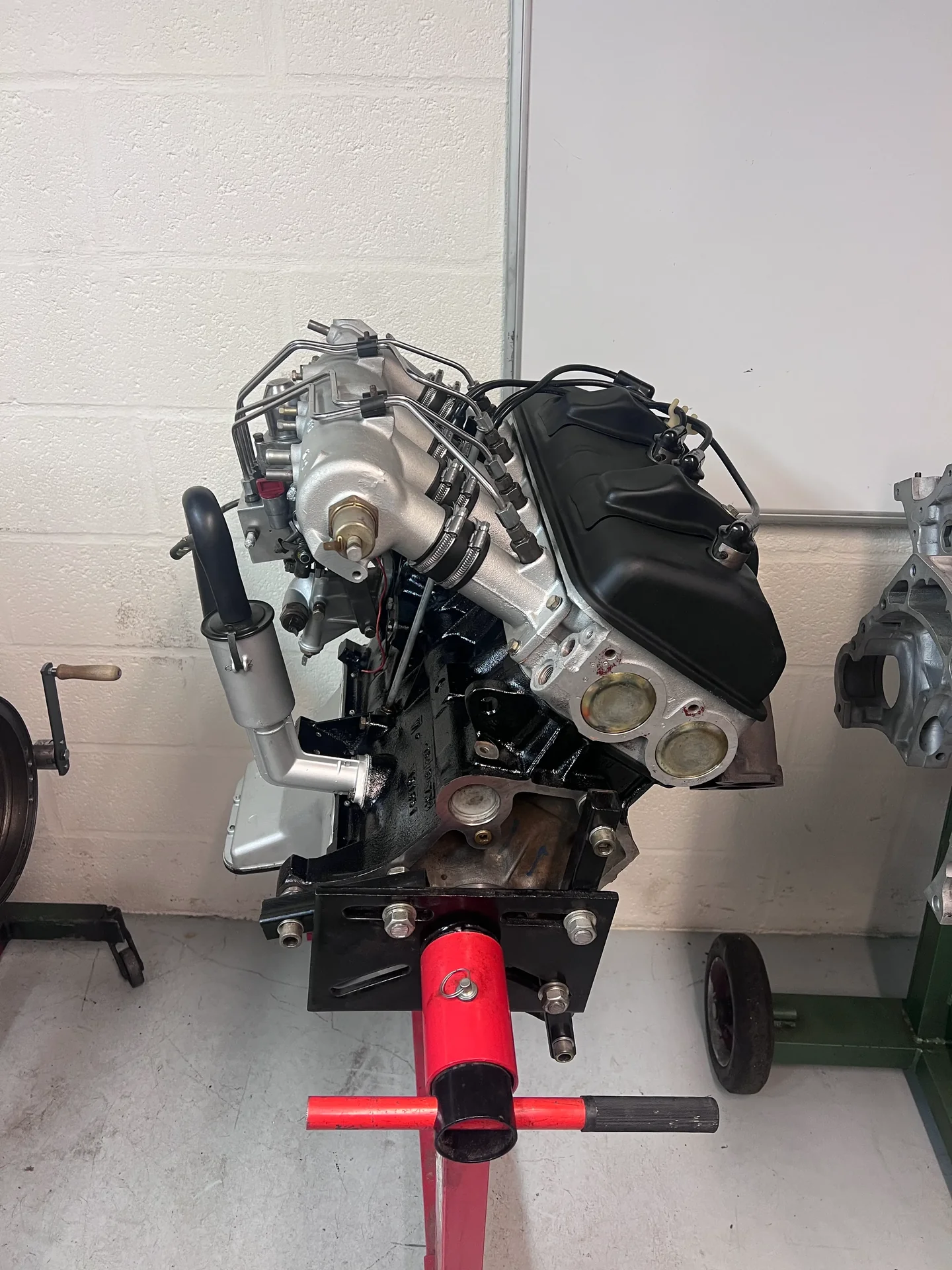
We chose a full top- and bottom-end restoration, with electronic ignition fitted. Up top: guides replaced, seats cut concentric to the new guides, valves lapped onto their seats to verify the actual contact. Down below: bores measured at three heights then brought back to size, the rotating assembly checked and reassembled with clearances measured part by part. Electronic ignition removes contact-breaker wear and holds the timing steady without altering the look of the engine. Every dimension, found and achieved, was written down and handed to the owner — it will be the reference for the next overhaul, perhaps twenty years from now.
Project 02

Porsche 911 — cylinder head overhaul

SubjectNaturally aspirated and turbo heads
ScopeFull head overhaul
PartsNew guides and valves
ScopeFull head overhaul
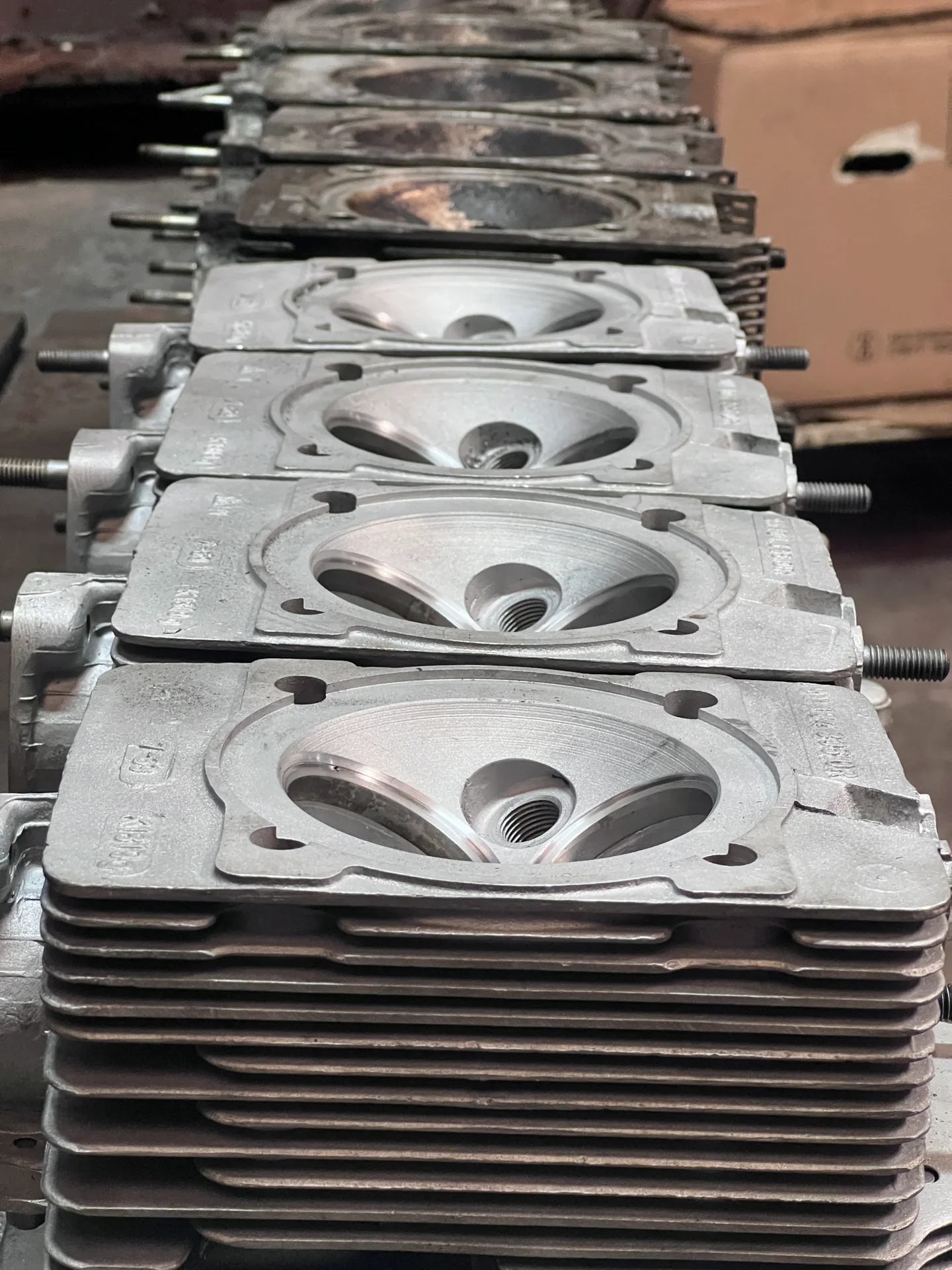
Cylinder head fitted with new guides and seats Head assembled with a new set of guides

Approach

Full head overhaul after identifying the worn parts to replace. Every guide, valve and seat is measured before any decision is taken: across a batch of heads, wear is never the same from one to the next. Turbocharged heads need particular attention on the exhaust side, where outlet temperature wears the guides faster than on a naturally aspirated engine.

What was kept

Some seats could be kept where wear had not gone too deep. That is a technical choice, not a saving: an original seat still sound keeps its geometry and its bond with the casting, whereas a replacement insert adds an interface — and a risk of working loose under thermal cycling. A seat is only replaced when it can no longer be recovered.

Work carried out

The heads were assembled with a new set of guides and new valves. The order matters: guides first, then the seats, cut concentric to those new guides and to the angle of the valves that will sit on them. Each valve is finally lapped onto its seat to check the actual contact, face by face. Delivered to a professional, with the same written record for every head so he can hand it to his own customer.

Project 03

Renault 8 Gordini — cracked cylinder head repair

VehicleRené Bonnet Djet coupé
HeadR8 Gordini
SubjectCasting crack
ScopeWelding, guides and seats
SubjectCasting crack
Blue coupé in the paddock, engine cover open The coupé in the paddock, engine cover open

Problem

This head was new, yet carried a casting crack. A new part is no guarantee: uneven cooling in the mould leaves an initiation site that nothing reveals to the eye, and that opens up under the first thermal cycles. On an R8 Gordini head, scrapping it meant months of searching, with no certainty of finding better.

Repair

We closed it by welding — a rare part saved rather than replaced. The crack is first opened out until sound material is reached: welding over a defect only moves it. The part is then preheated, welded, and cooled slowly to avoid locking in stresses that would reopen elsewhere. This is where welding and machining under one roof earns its keep: the part inevitably moves a little, and it has to be brought back to size straight afterwards.

Work carried out

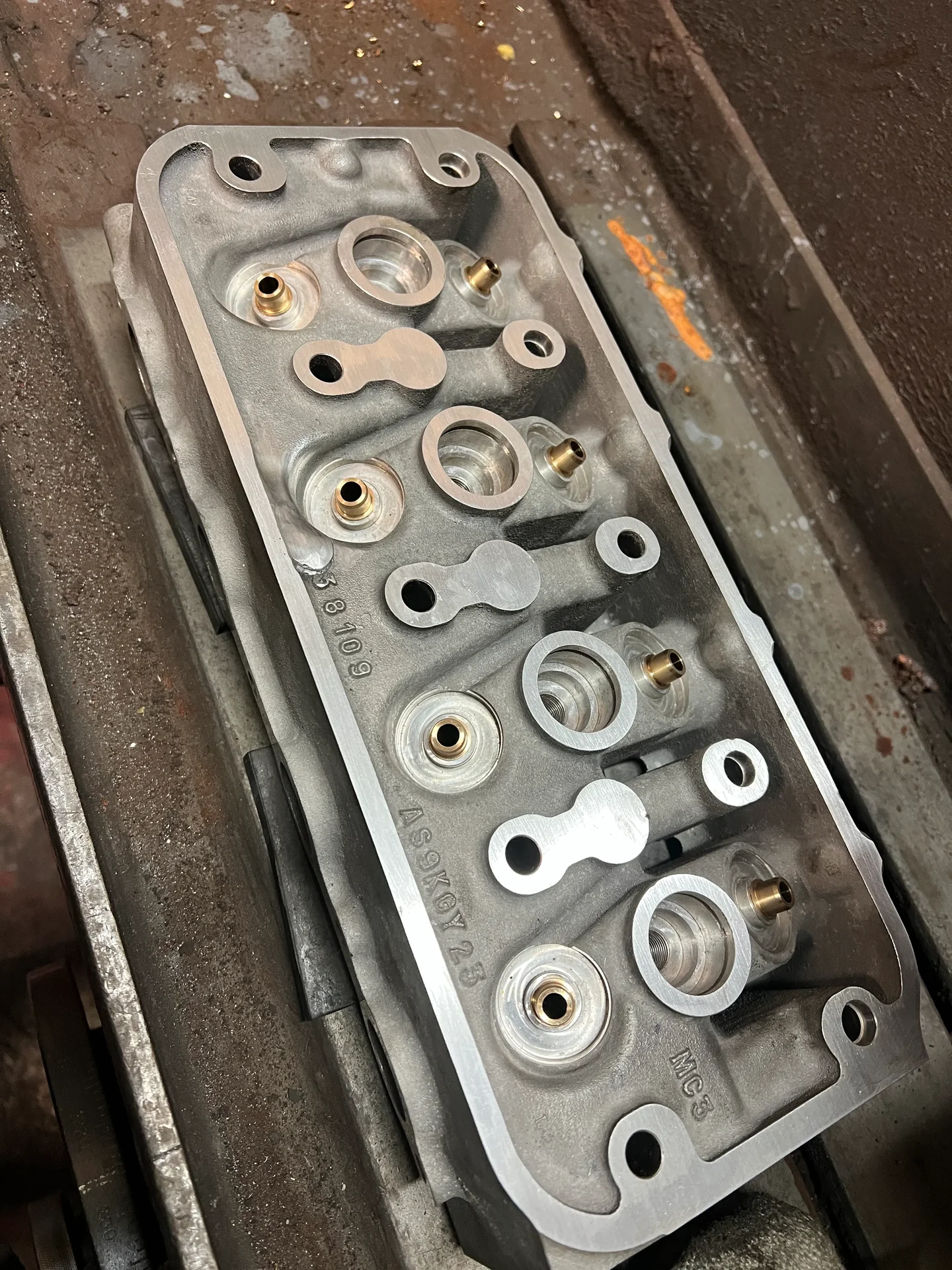
The head was then fitted with its valve guides and seats. Once flatness was restored and the geometry verified, the guides went in, then the seats were cut concentric to them. The head went back on the coupé, which is running — the only validation that really counts.

Next project

Yours could be the next one on this page

Tell us the engine, its use and what you expect from it. The rest is a conversation.

Start a project

Reply within two working days